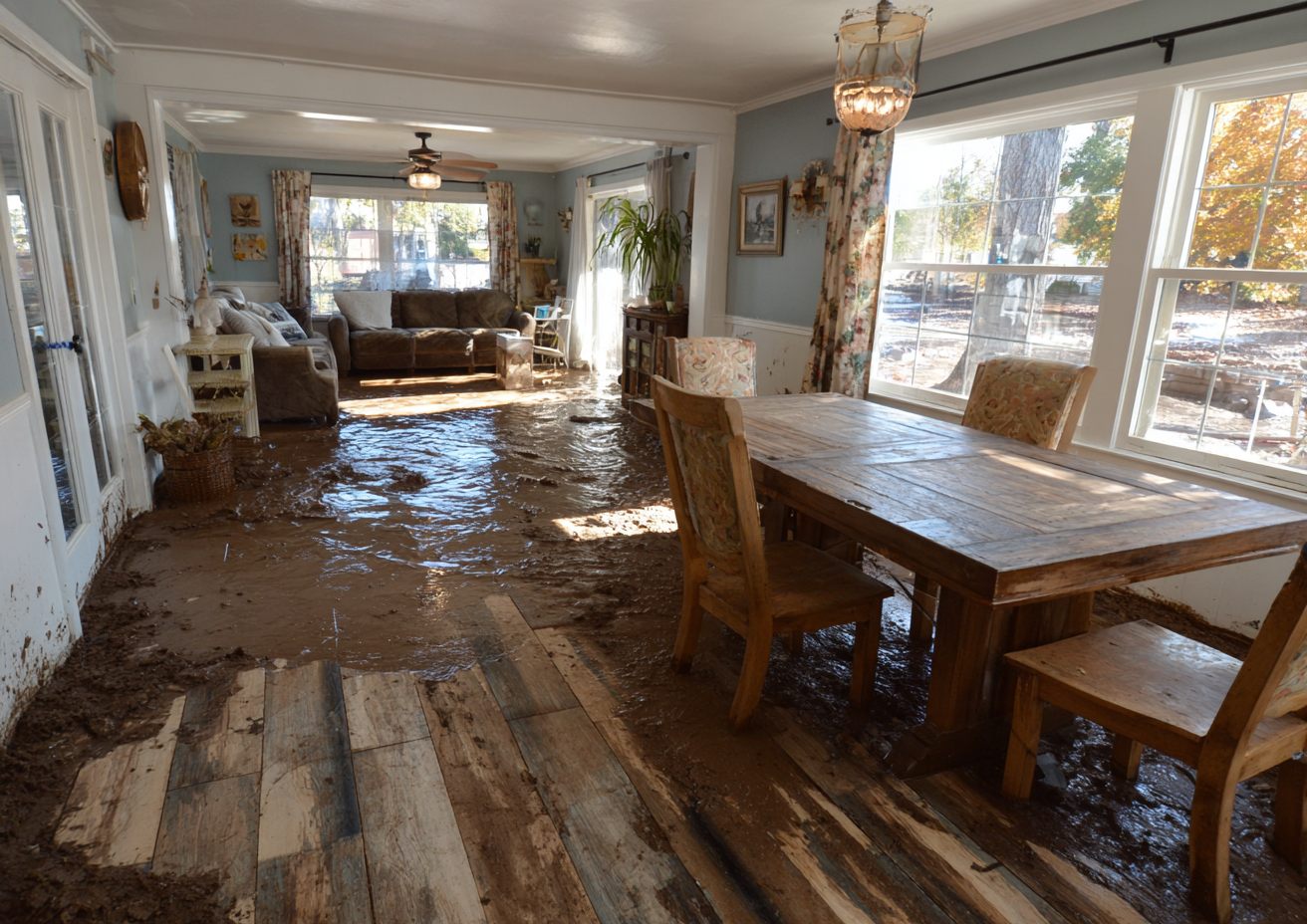
When river water goes down, it doesn't leave a house clean and wet. It leaves silt. The Green and White rivers carry fine sediment, and the White in particular carries glacial silt off Mount Rainier. Inside a flooded house, that settles as a layer of mud on floors, in crawlspaces and on the lower walls, with a water line marking how high it came. This guide walks through what you'll find, what to do first, and the order the cleanup follows.
What You'll Find
| Where | What it usually looks like |
|---|---|
| Floors | A slick layer of fine mud, thicker in low spots and corners |
| Walls | A clear water line; drywall soft and swollen below it, often wet above by wicking |
| Carpet and pad | Heavy, mud-filled, and usually beyond saving |
| Cabinets | Particleboard bases swollen and coming apart |
| Crawlspace | Silt on the vapor barrier or dirt, water standing in low spots |
| Ducts and appliances | Mud inside floor ducts, water in the furnace or water heater if they were low |
What Flood Water Carries
Flood water picks up whatever it crosses: fuel and oil from streets and garages, fertilizer and chemicals from yards and fields, debris and bacteria. That's why anything porous it soaked is treated as unsalvageable, and hard surfaces are cleaned before they're dried. It's also why this part of the work is a job for a restoration company, with the right protective equipment, not a weekend with a hose.
Before Anyone Starts
- Wait for the all-clear. Officials decide when it's safe to return. Roads and yards may still be under water.
- Leave the power off in any room the water reached until it's confirmed safe. Gas appliances that were under water stay off until the utility says they're safe.
- Gear up if you go in: boots, gloves and eye protection. The mud isn't clean. The American Red Cross has a flood safety guide for returning home.
- Photograph everything before anything moves: each room from the doorway, the water line, damaged belongings, appliance labels.
- Call your insurer, and the company that sold any flood policy.
- Call for flood cleanup. When a whole street floods at once, companies fill their schedules fast.
The Cleanup Order
- Pump and extract. Standing water out of rooms, basements and the crawlspace.
- Muck out. Shovel and haul the silt and mud.
- Remove. Carpet and pad, drywall to a set height above the water line, insulation in the walls, swollen cabinets and trim.
- Clean. Every surface the water reached, including framing, subfloor and the slab.
- Dry. Air movers and dehumidifiers on a plan, with readings on the framing and floors.
- Check under the house. Crawlspace silt removed, wet vapor barrier and insulation replaced once dry.
- Rebuild only after the readings say dry.
Skipping straight from mucking out to rebuilding traps moisture in the walls. The drying stage, with readings, is what makes the rebuild last.
What Can Usually Be Saved
- solid wood framing, once cleaned and dried
- concrete slabs and foundation walls
- tile on a solid base, once cleaned
- metal and glass items, once cleaned
What Usually Can't
- carpet, pad and upholstered furniture that soaked
- drywall and insulation below and just above the water line
- particleboard and MDF cabinets and furniture
- mattresses and soft goods
Belongings and Records
Before anything goes to the curb, make a record. Photograph each damaged item, and for appliances and electronics, the model and serial labels. Keep a simple list: what it was, roughly how old, roughly what it cost. Insurers handling flood claims usually ask for exactly this, and it's much harder to reconstruct after the pile is gone. Keep a small sample of carpet and pad if the adjuster hasn't seen them. Photos that are important to you can sometimes be saved if they're rinsed and dried flat soon after.
Questions
How high is drywall cut after a flood?
Usually a set distance above the water line, so the cut is straight and the wicked-up section comes out. The company sets the height from readings.
Can I hose the mud out myself?
Some homeowners start mucking out, with protective gear. The removal, cleaning and drying that follow need equipment and readings to keep moisture from staying in the walls.
Is the house safe to live in during cleanup?
Usually not, in the flooded rooms, until removal and cleaning are done and the power is confirmed safe.
On the Valley Floor
Silt cleanup is most common in Pacific and Algona, and anywhere low near the rivers. The full process is on flood damage cleanup, and what happens under the house is in crawlspace water on the valley floor.
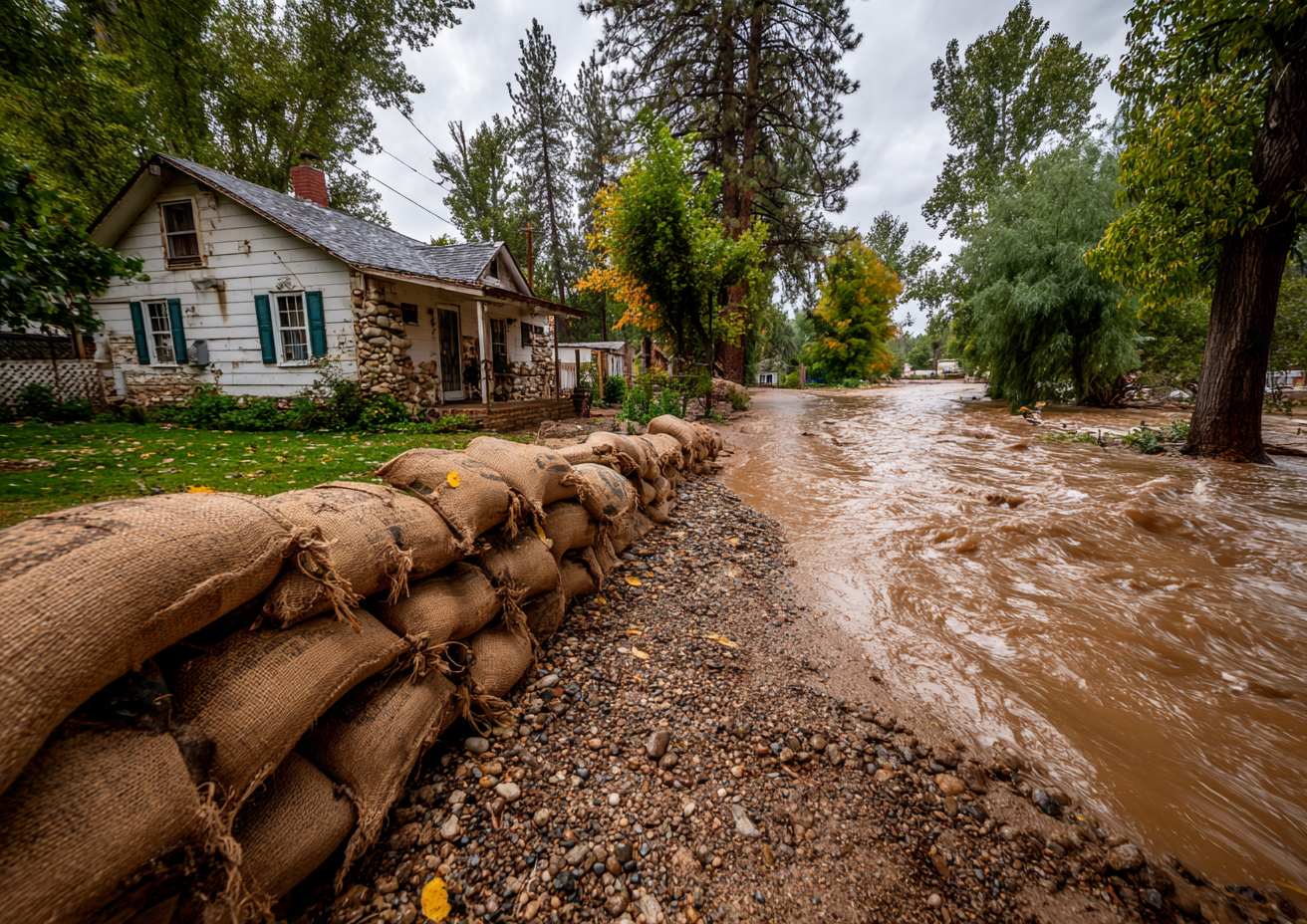
Sandbags, Levees and Barriers: What They Protect and What Still Gets Wet
What each kind of protection stops, and what gets past it.
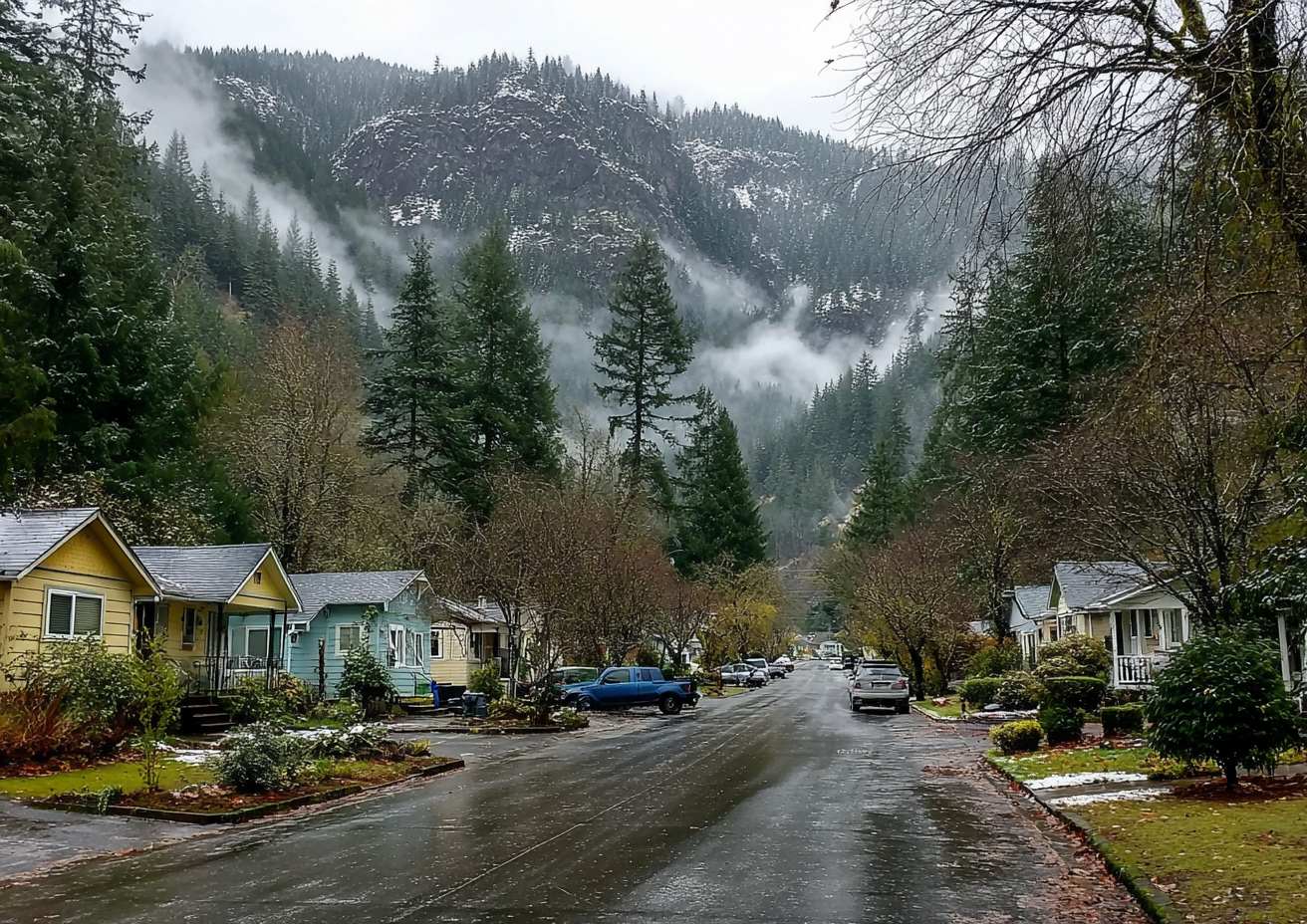
Flood Insurance Near Auburn's Levees
NFIP, levee areas and what a homeowners policy leaves out.