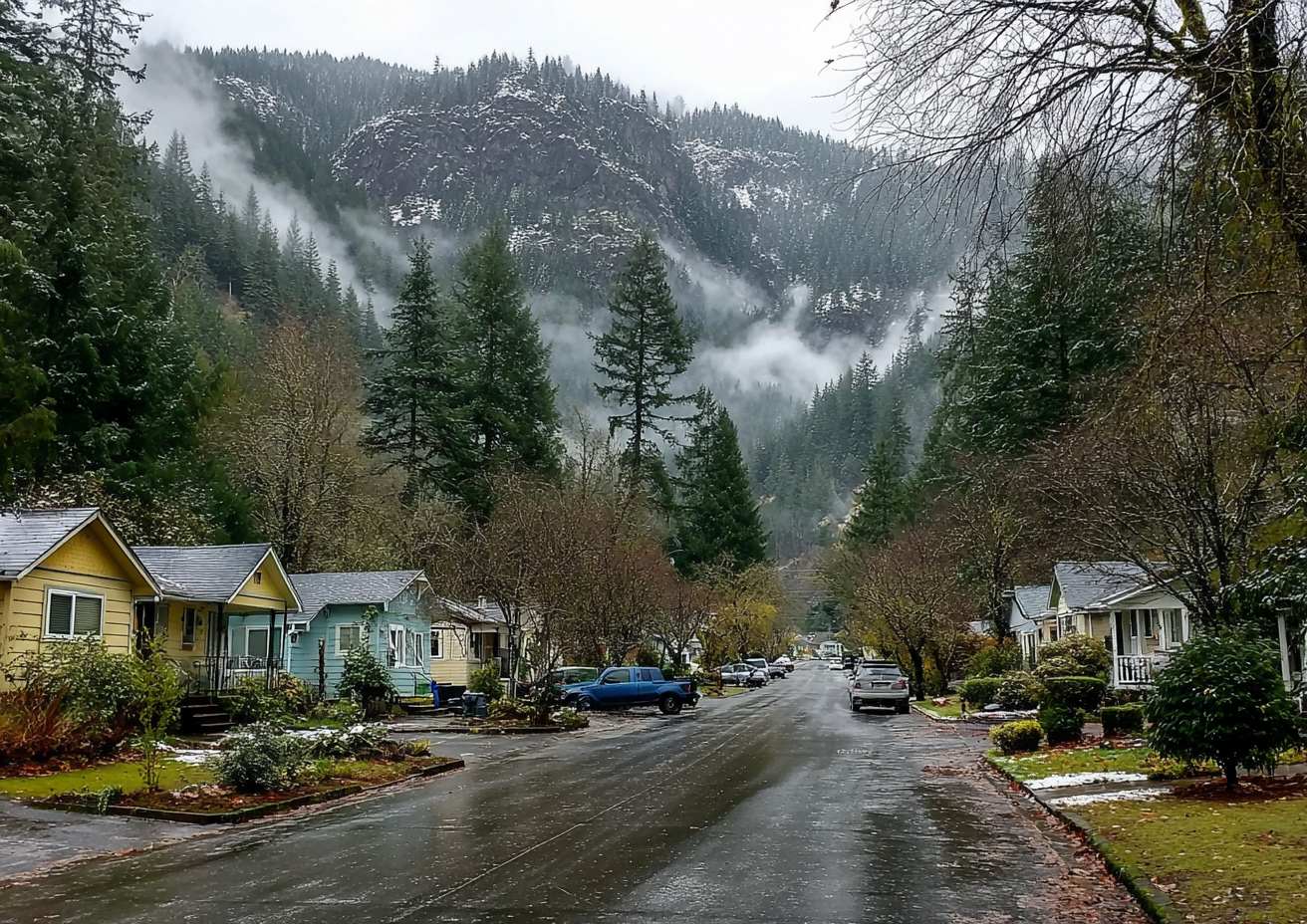
Living behind a levee on Auburn's valley floor feels safe, and most of the time it is. But levees reduce flood risk; they don't remove it. The City of Auburn itself has advised people near the Green River to check their insurance for flood, water, landslide and sinkhole coverage. This guide walks through what a typical homeowners policy covers, what it leaves out, how separate flood coverage works, and what helps when you file.
The Line Between "Water Damage" and "Flood"
Insurers draw a sharp line based on where the water came from.
| Where the water came from | Usually under | Notes |
|---|---|---|
| A burst supply line, failed water heater, overflowing tub | Homeowners policy | Sudden and accidental is the key phrase |
| A slow leak that went on for months | Often excluded | Treated as wear or maintenance |
| River water, surface water, a levee breach | Flood policy | Homeowners policies generally exclude it |
| Groundwater seeping into a basement or crawlspace | Often excluded from both | Read both policies; some endorsements apply |
| Rain through a damaged roof or window | Homeowners policy, often | Depends on the cause of the opening |
| Water backing up through a drain | An endorsement, if you bought one | Not standard on many policies |
Your policy's wording decides every case. This is the general pattern, not a promise about yours.
How Flood Coverage Works
Flood coverage is sold separately, most often through the National Flood Insurance Program (NFIP), run by FEMA and sold through regular insurance agents. FEMA explains the program at FloodSmart.gov. Private flood policies are also available.
- Building coverage pays for the structure: foundation, walls, floors, built-in appliances, the water heater and furnace.
- Contents coverage is separate and covers belongings.
- Basements and crawlspaces have limits under NFIP policies. Finished basement areas and many items stored there may not be covered the way the rest of the house is.
- A waiting period usually applies to new NFIP policies before they take effect, so buying one when the river is already rising is too late.
Levee Areas and Flood Maps
FEMA's flood maps show mapped flood hazard areas; look up your address at the Flood Map Service Center. Some neighborhoods behind levees are mapped as lower risk than they'd be without the levee, which can mean lower premiums and no lender requirement for flood coverage. That doesn't mean the levee can't be overtopped or fail. A breach on the White River flooded more than 220 homes in Pacific. If your house is on the valley floor near either river, a flood policy is worth pricing even if your lender doesn't require one.
After the Water: The Claim Order
- Safety first. Stay out until officials say it's safe, and leave the power off in wet rooms.
- Photograph everything before cleanup: every room, the water line on the walls, damaged belongings, serial numbers on appliances.
- Call your insurer and get a claim number. For flood, call the company that sold your flood policy.
- Prevent more damage. Insurers expect reasonable steps to stop it from getting worse, which is what mitigation is. Keep receipts.
- Keep removed materials or photos of them until the adjuster has seen them, if the insurer asks.
- Get the drying records. Moisture readings and equipment logs from the restoration company show what was wet and for how long.
- Read before you sign. Don't sign anything that hands over your claim without understanding it.
Records That Help
- photos and video taken before anything was moved
- the restoration company's written scope and moisture readings
- receipts for anything you bought to prevent further damage
- a list of damaged belongings, with approximate age and cost
- your notes of who you talked to and when
Questions
Does homeowners insurance cover flooding in Washington?
Standard homeowners policies generally exclude flood from outside water. Flood is a separate policy.
Is groundwater in my crawlspace covered?
Often not, under either policy. Read the exclusions and ask your agent about any endorsement that applies.
Can I buy flood insurance when a storm is coming?
You can buy it, but new NFIP policies usually have a waiting period before coverage starts.
Who do I complain to about an insurer?
The Washington State Office of the Insurance Commissioner handles complaints about insurers.
Where This Matters Most
Valley-floor homes near the rivers have the most at stake, including the river valley in Puyallup. Owners in Enumclaw and around Lake Tapps should still know what their policies say about groundwater and drain backups. For the work itself, see flood damage cleanup.
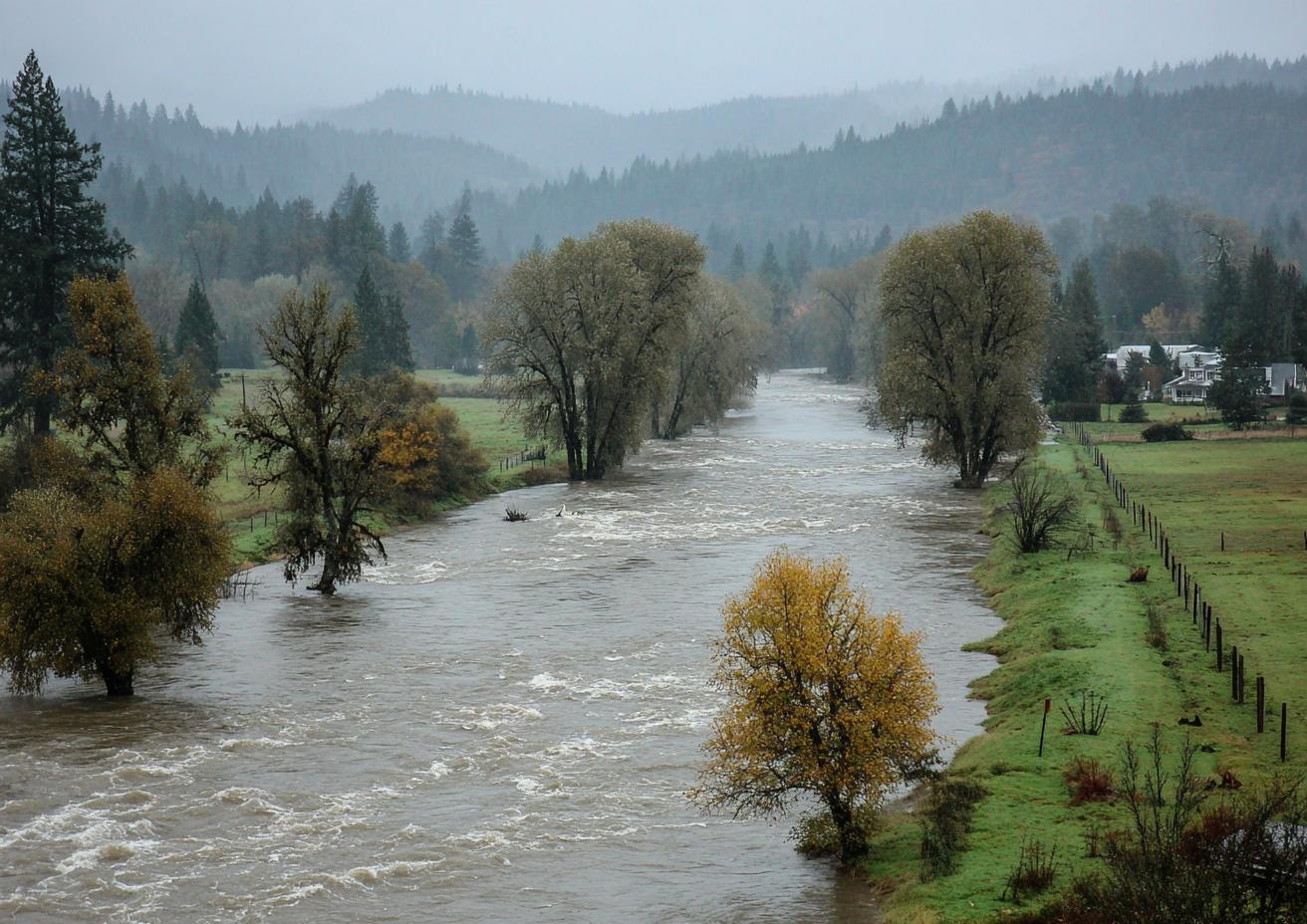
How the Green and White Rivers Reach Auburn Homes
Two dammed rivers, one valley floor, and the places that have taken water.
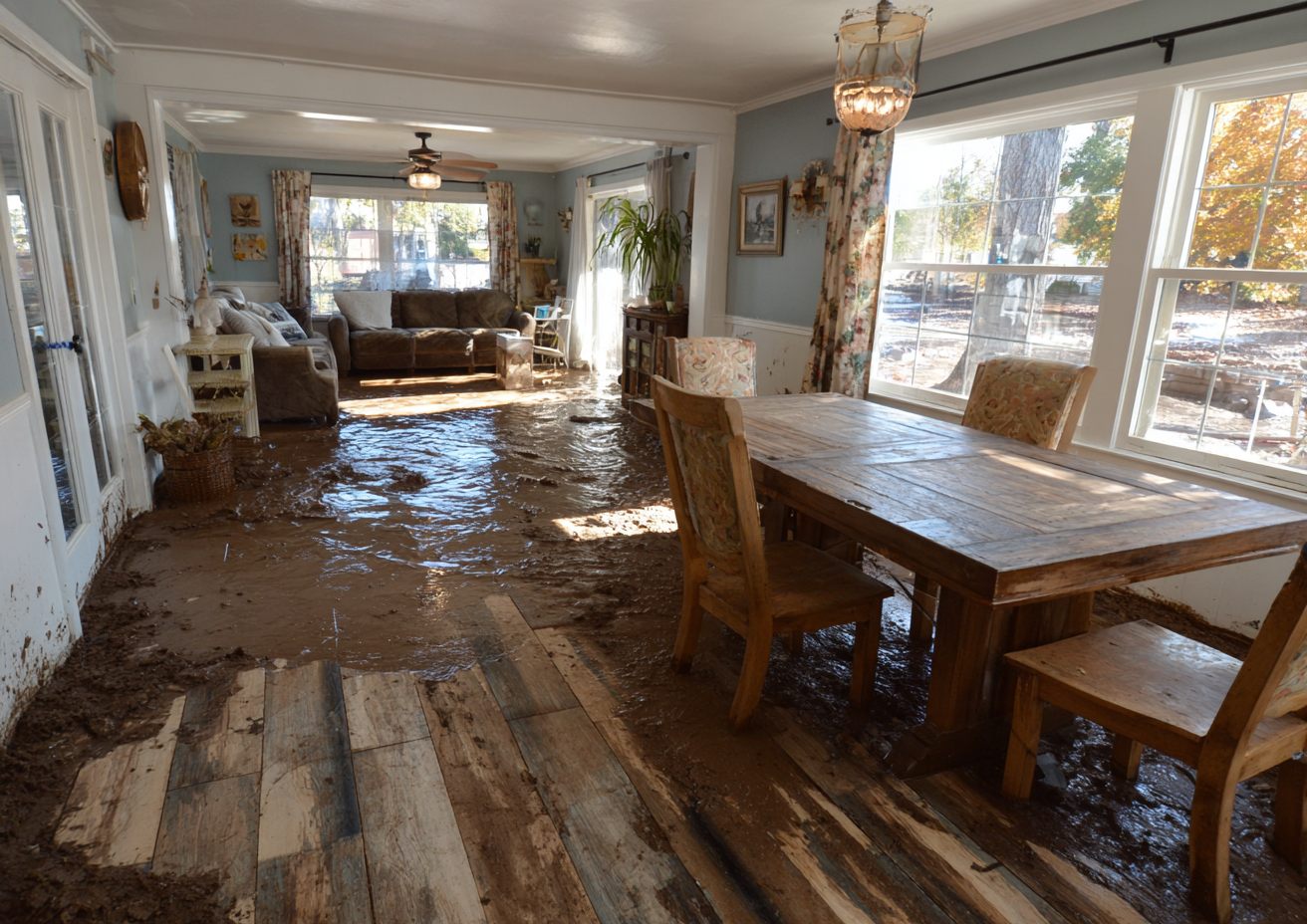
After the River Drops: Silt and Mud in the House
What flood water leaves behind, and the order the cleanup follows.