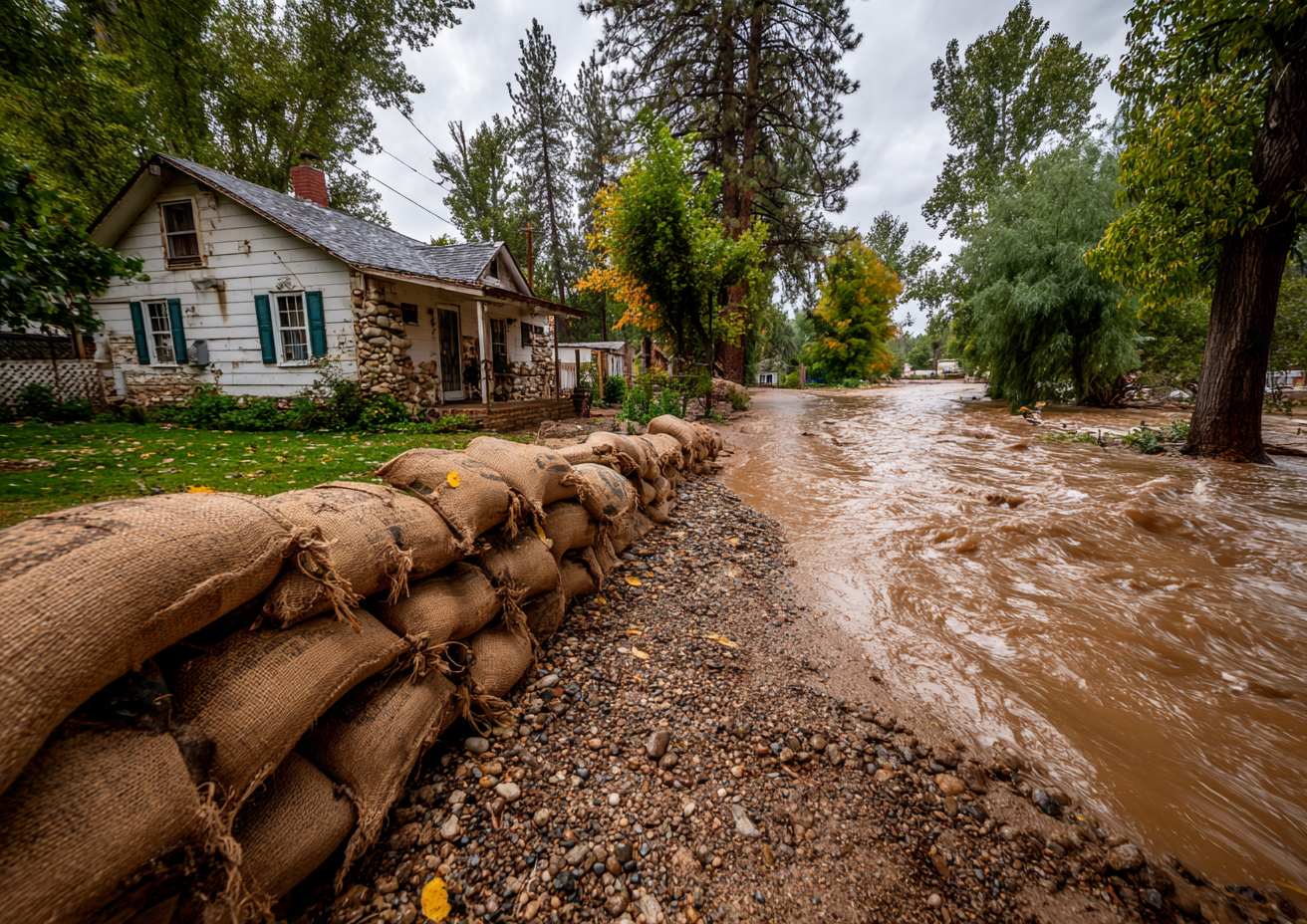
When the White or Green River runs high, three kinds of protection stand between the water and the houses: permanent levees, temporary barriers set up by the city, and sandbags placed by residents. Each one helps. None of them makes a house dry. This guide sets out what each protects against, what gets past it, and what that means if water reaches your house anyway.
The Three Layers
| Protection | Who puts it there | What it's for | What gets past it |
|---|---|---|---|
| Levees | Built and maintained by public agencies | Keeping the river in its channel along long stretches | Water over the top in a big release; a breach; groundwater rising behind it |
| Temporary barriers | The city, during high water | Filling low spots or weak points along a levee or bank | Water around the ends or under the base; seepage |
| Sandbags | Residents and volunteers | Diverting shallow surface water away from doors and openings | Water through the gaps; water rising from below; water higher than the bags |
Levees
Levees line long stretches of both rivers through the valley. They're built to hold a certain flow, and the dams upstream are run to keep the rivers below that. When everything works, the river stays between the levees. But a levee is an earth embankment. It can be overtopped when flows exceed what it was built for, and it can fail when water saturates it for days. A failure on the White River flooded more than 220 homes in Pacific. Behind any levee, groundwater can rise as the river does, which is why crawlspaces on the valley floor still fill.
Temporary Barriers
During high water, the City of Auburn has set up temporary barriers, such as large fabric-lined wire baskets filled with sand or gravel, along the south bank of the White River near A Street. Barriers like these shore up low spots and weak points quickly. They're good at stopping water over the ground. They don't stop water seeping underneath or groundwater rising behind them.
Sandbags
Sandbags are for shallow surface water: redirecting a few inches away from a door, a garage or a low window. Cities and counties often provide sand and bags during flood season; follow official notices for where, such as the City of Auburn's local hazards page. What sandbags can and can't do:
- Can: turn shallow water moving across a yard away from a doorway.
- Can: slow water at a garage door or low vent long enough to move belongings.
- Can't: seal a house. Water seeps between bags and under the bottom row.
- Can't: stop water coming up from below, through a crawlspace or a floor drain.
- Can't: hold water higher than the wall, and stacking them high takes skill and time.
Sandbags that sat in flood water are contaminated. Ask the city or county how to dispose of them.
What Still Gets Wet
Even with every layer in place, water reaches houses in predictable ways:
- From below. Rising groundwater fills crawlspaces and seeps into basements.
- Through openings. Foundation vents, low windows, garage doors and dryer vents.
- Through drains. High water can push back up through low floor drains.
- Through gaps. Between sandbags, and around the ends of barriers.
So the question after a high-water event isn't only "did the river come in the door?" It's "is there water under the house or in the walls?"
After High Water
- wait for the all-clear before returning to low areas
- check the crawlspace from the hatch with a flashlight, without going in if there's standing water
- photograph any water, mud lines and damage before cleanup
- leave power off in wet areas until it's confirmed safe
- call for removal and drying; see flood damage cleanup
Questions
Do sandbags keep water out of a house?
They divert shallow surface water. They don't seal a house, and they don't stop water rising from below.
Is my house safe behind the levee?
Safer, not safe. Levees can be overtopped or fail, and groundwater rises behind them.
What should I do with sandbags after a flood?
Treat them as contaminated if they sat in flood water, and follow city or county disposal guidance.
Along the White River
This matters most in Pacific and Sumner, and on low ground in south Auburn. For what comes after the water drops, see after the river drops.
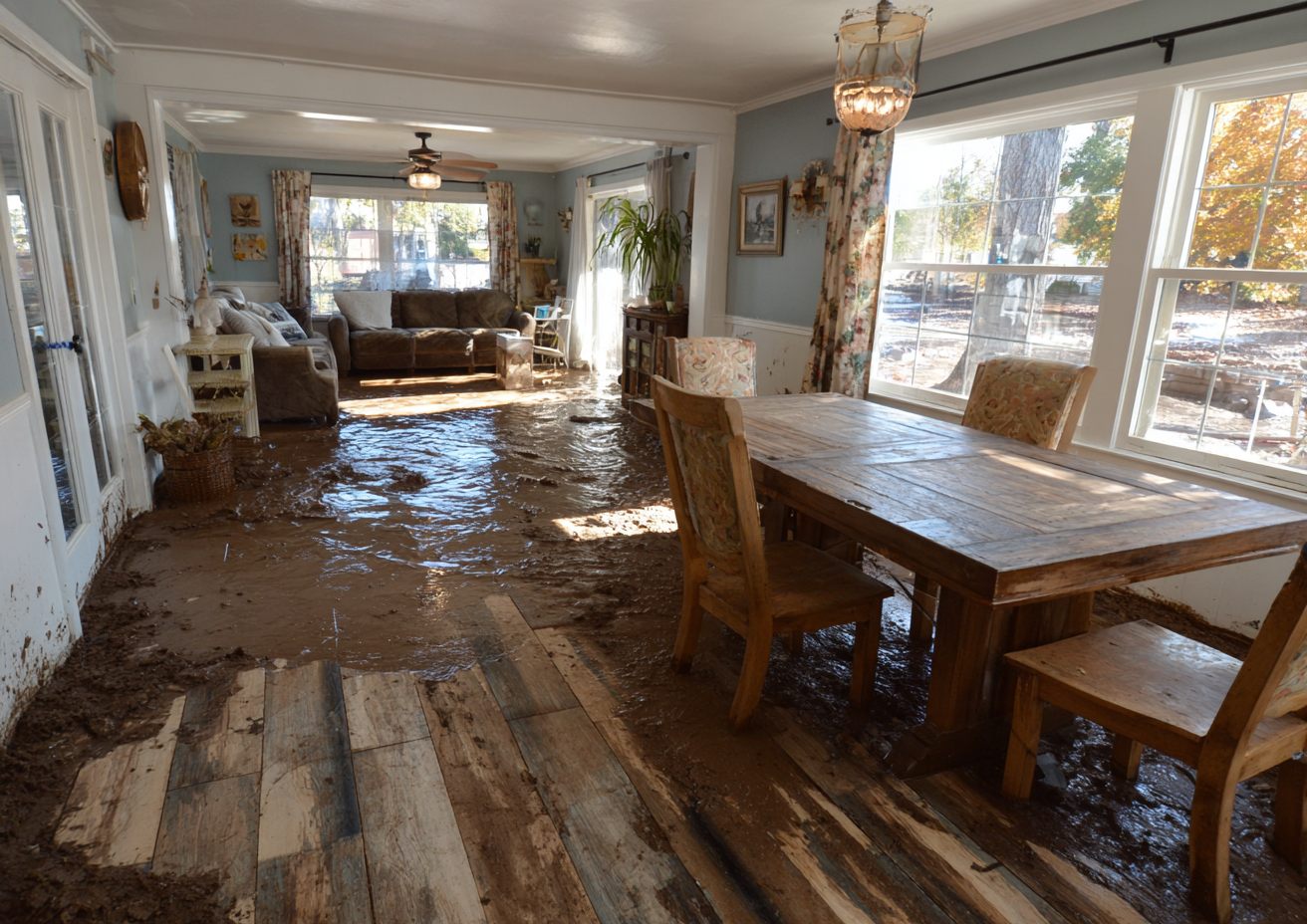
After the River Drops: Silt and Mud in the House
What flood water leaves behind, and the order the cleanup follows.
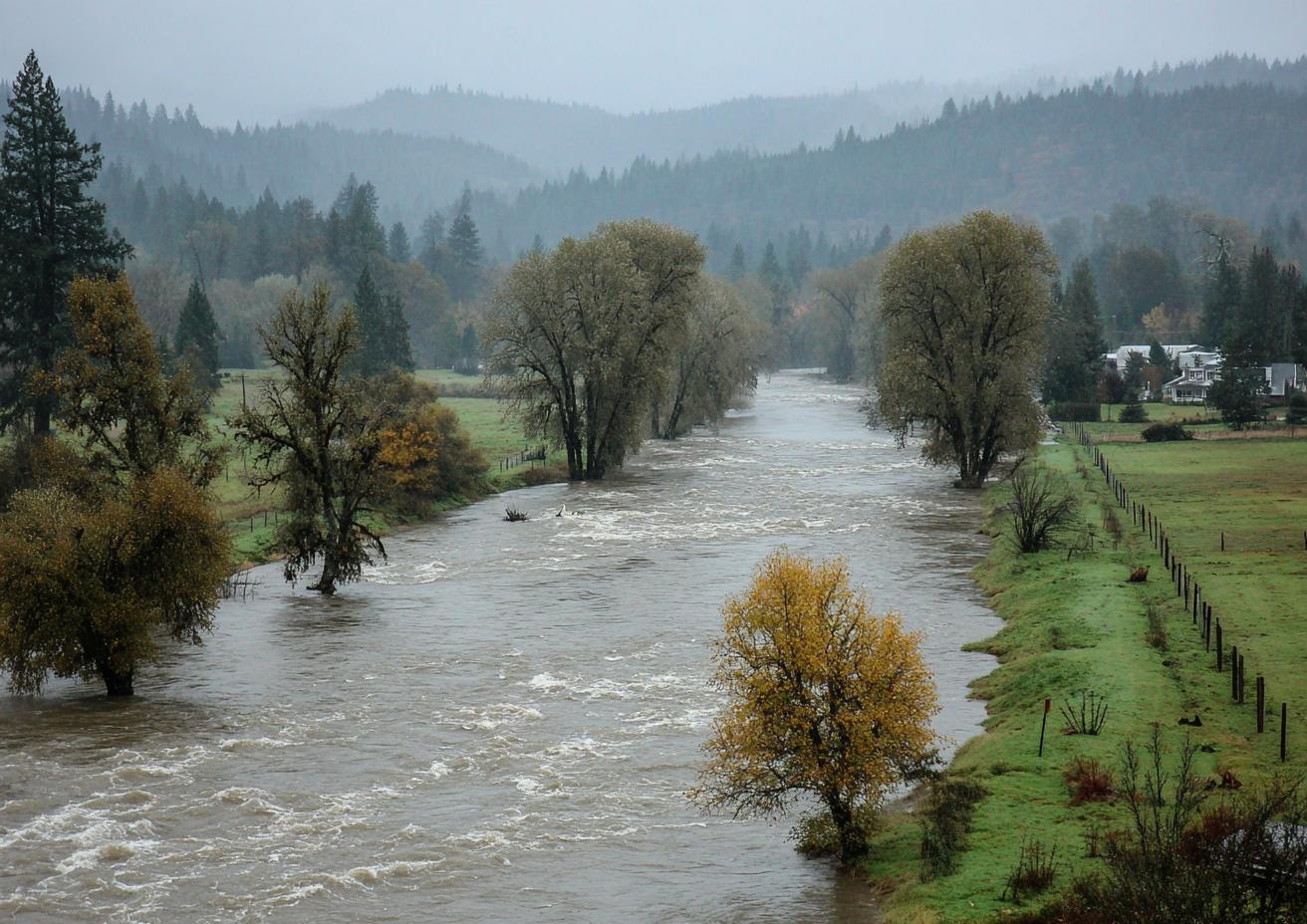
Dam Releases and River Levels: What They Mean for Your House
What the flow numbers mean, and where to watch them.