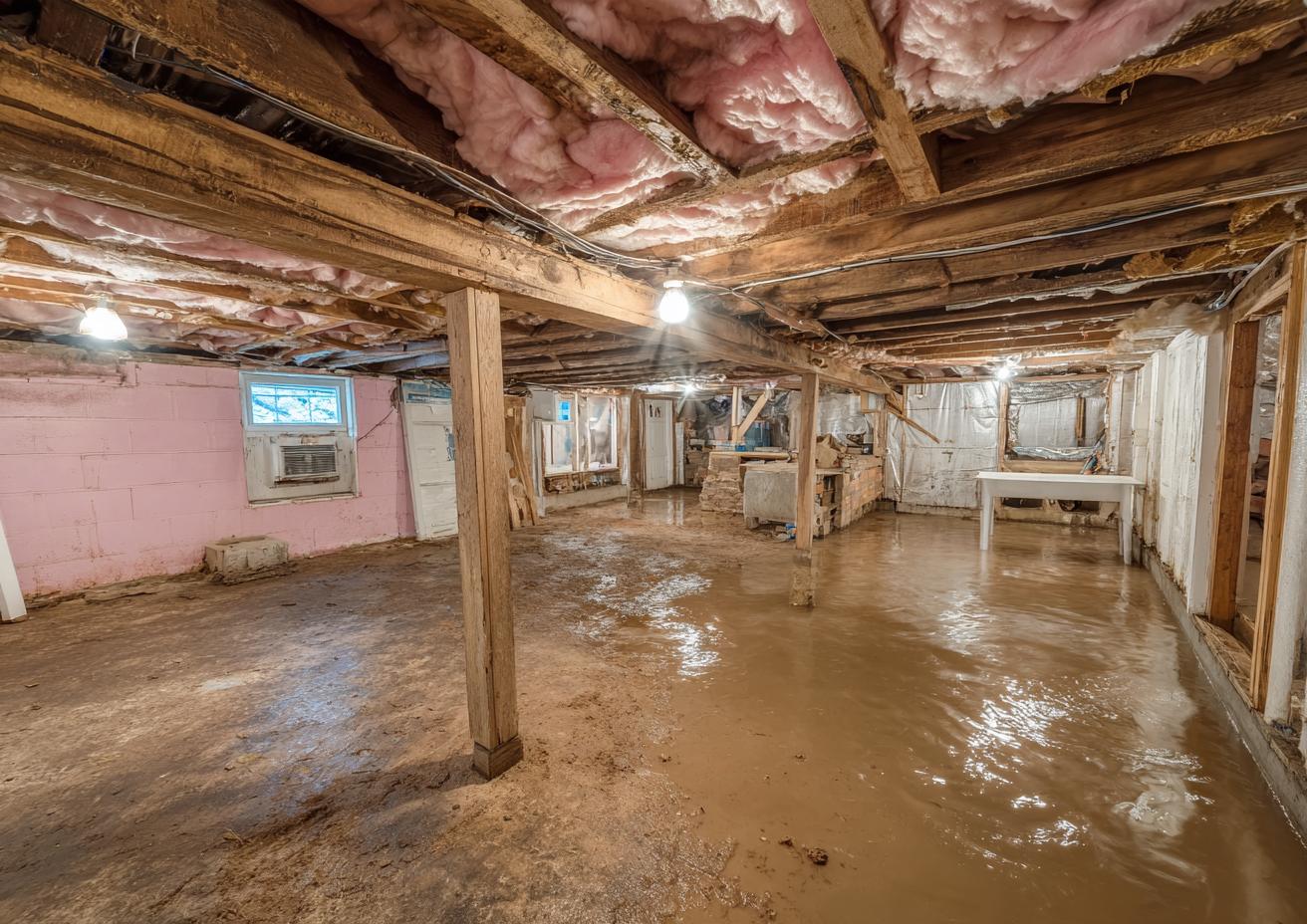
Many older houses on Auburn's valley floor sit over a crawlspace: a short, unfinished space between the ground and the floor, with a vapor barrier on the dirt, insulation between the floor joists, and often the ducts and plumbing running through it. When water gets in there, nobody sees it. It can sit for weeks, keeping the floor framing damp from below. This piece covers why it happens near the rivers, how to tell from upstairs, and what fixing it involves.
Why the Valley Floor Is Different
The flat ground in Downtown Auburn, North Auburn, Terminal Park, Algona and Pacific is river ground. The Green and White rivers built it, and the water table under it rises and falls with them. In a dry summer, a crawlspace is dusty. After weeks of winter rain and high river flows, the water table can come up close to the surface. Then water seeps into the crawlspace from below, even when the yard looks normal.
Add in the other sources:
- a supply line or drain under the floor that's been dripping
- a water heater or washer above that leaked through the subfloor
- surface water running toward foundation vents in a heavy storm
- river water itself, on the lowest ground
Signs From Inside the House
You don't have to crawl under to suspect it:
- a damp, earthy or musty smell that's stronger in the rainy season
- floors that feel cold, soft or bouncy in spots
- hardwood that cups or gaps
- condensation on the inside of windows
- higher humidity indoors with no other explanation
- a furnace that sounds different, if ducts below are sitting in water
Look through the access hatch with a flashlight. Don't go in if there's standing water and any wiring, a sump pump or a furnace down there.
What Water Does Under a House
| Material | What happens |
|---|---|
| Vapor barrier | Water pools on top of it or under it; torn or loose sheets let it reach the dirt |
| Insulation between joists | Absorbs moisture, sags, falls; stops insulating |
| Floor joists and subfloor | Stay damp from below; wood stays wet as long as the space does |
| Ducts | Can take in water or sit in it; damp air goes into the house |
| Pipes and wiring | Sitting in water is an electrical hazard |
What Fixing It Involves
- Find the source. Groundwater, plumbing or surface water each lead to a different follow-up.
- Pump. A pump at the low point of the crawlspace, through the access hatch.
- Pull what's ruined. The wet vapor barrier, and soaked or sagging insulation from the joists.
- Dry. Air movers pushing air through the space and dehumidifiers pulling moisture out, with readings on joists and subfloor.
- Replace. A new vapor barrier and insulation, once the wood reads dry.
If river water was involved, the ground under the house may need silt removed and cleaning before drying. See after the river drops.
Groundwater vs. Plumbing
The source matters for insurance as much as for the fix. A burst supply line under the floor is often a covered event under a homeowners policy. Groundwater seeping in is often excluded, and river water is a flood-policy matter. Tell the restoration company and your insurer what you know about where the water came from.
Keeping It Dry Afterward
Once a crawlspace is dried, keeping it that way usually comes down to drainage and the vapor barrier. Downspouts that carry water away from the foundation, ground that slopes away from the house and an intact vapor barrier all help. Recurring groundwater may need more. Ask the company that dried it what it saw.
Questions
Is water in my crawlspace normal in winter?
Some dampness is common on the valley floor. Standing water isn't something to live with; it keeps the floor framing wet.
Can I just put a fan under the house?
A fan alone won't remove standing water, and it can move damp air into the house. Pumping, removing wet material and drying with dehumidifiers and readings is what fixes it.
Does the vapor barrier always need replacing?
If it held standing water, tore or was under flood water, usually yes.
How do I know it's dry?
Moisture readings on the joists and subfloor compared with dry wood. Not by how it looks.
On the Valley Floor
This is a common call in Downtown Auburn, Terminal Park and Algona. For lower levels on the hills, see daylight basements on hillside lots, and for the work itself, basements and crawlspaces.
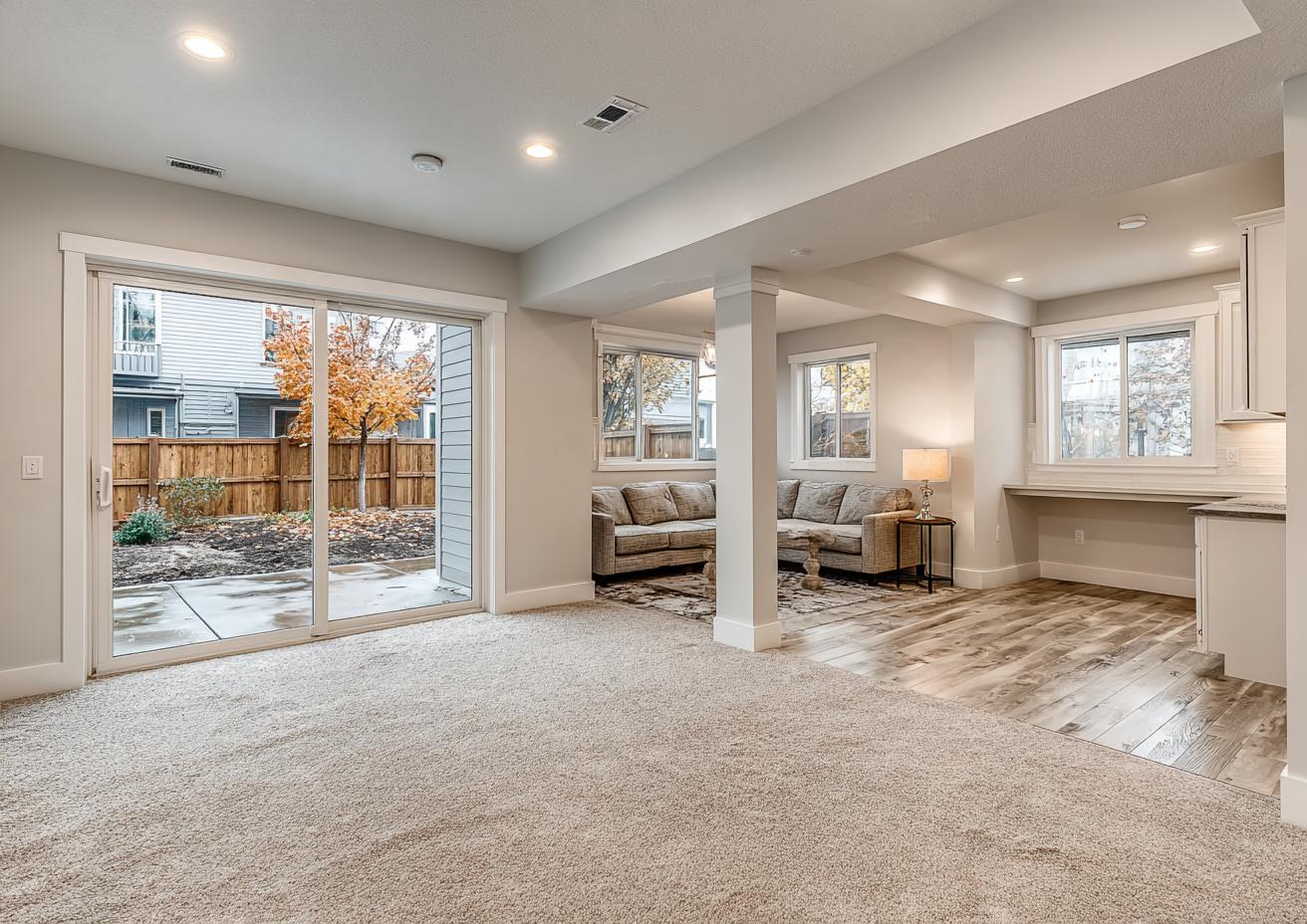
Daylight Basements on Hillside Lots
Why the lower level of a hillside house takes the water.
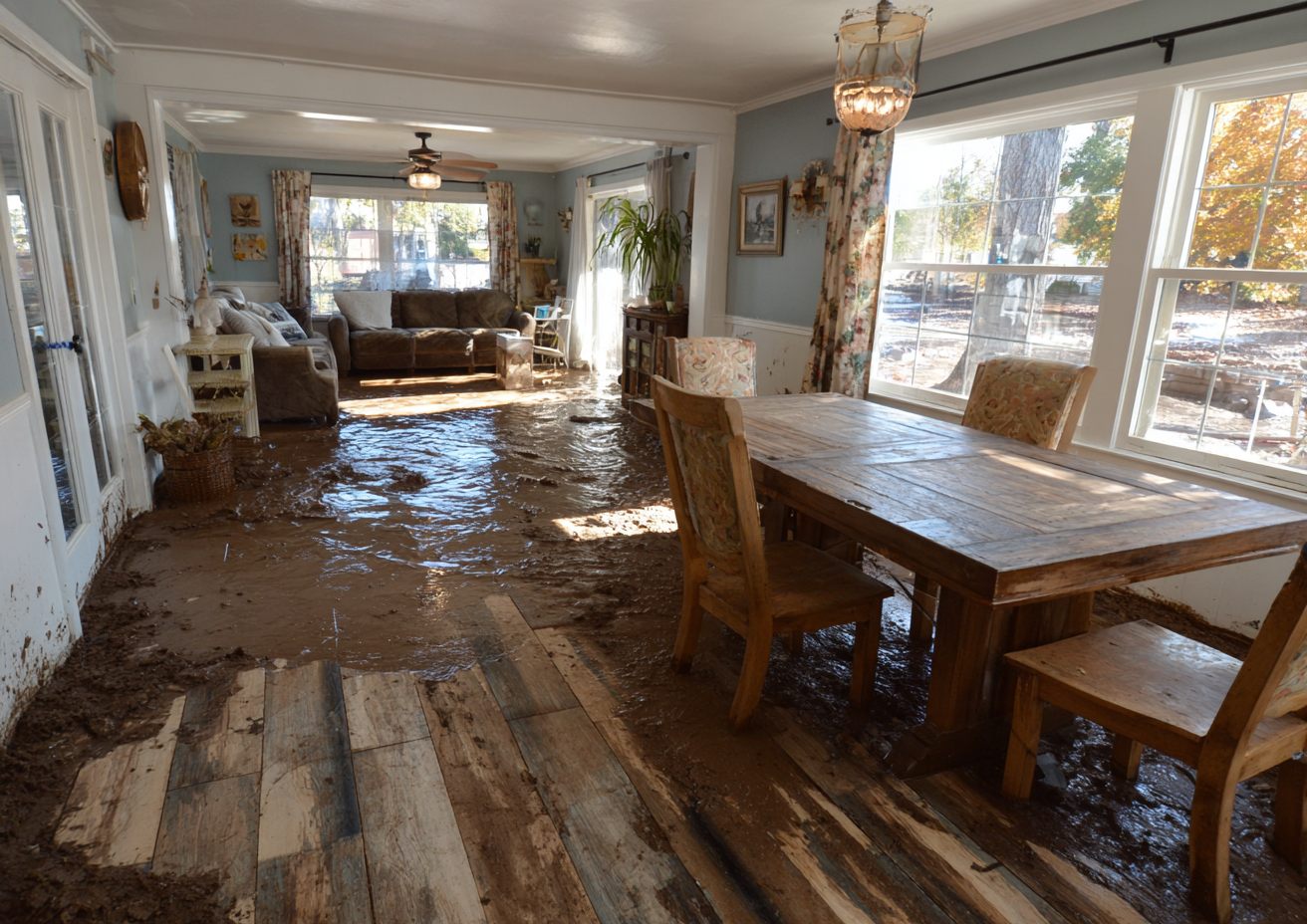
After the River Drops: Silt and Mud in the House
What flood water leaves behind, and the order the cleanup follows.